Empathy isn't a 'soft skill' - it is a strategic one.
Thoughts on generational loss and leadership

I have been speaking to audiences across the country about the aging of America and the impact it will have on financial services in the decades ahead. We share a lot of important demographic data—but here’s one point we’ve yet to discuss:
Over 420,000 Baby Boomers are expected to die in 2044 alone.
Let that sink in.
Between 2040 and 2045, we’ll witness the most significant wave of generational loss in U.S. history. The U.S. Census Bureau projects nearly 10 million Baby Boomers will die during that five-year period.
Those of us in financial services have spent years preparing for the economic effects—wealth transfer, housing turnover, retirement drawdowns. But we haven’t spent nearly enough time talking about the emotional toll.
The loss of such a large and influential generation will reshape American identity, family structures, and workforce dynamics. It will affect how people make decisions, how they show up at work, and how they engage with their finances.
We need to prepare for that—not just economically, but emotionally.
Next month marks my 20th year working as a consultant to the financial services industry. Some of my closest friends and colleagues know that long before that, I worked in the field of hospice care. That experience gave me a deep understanding of how grief quietly shapes families, communities, and even the financial choices people make in moments of loss and transition.
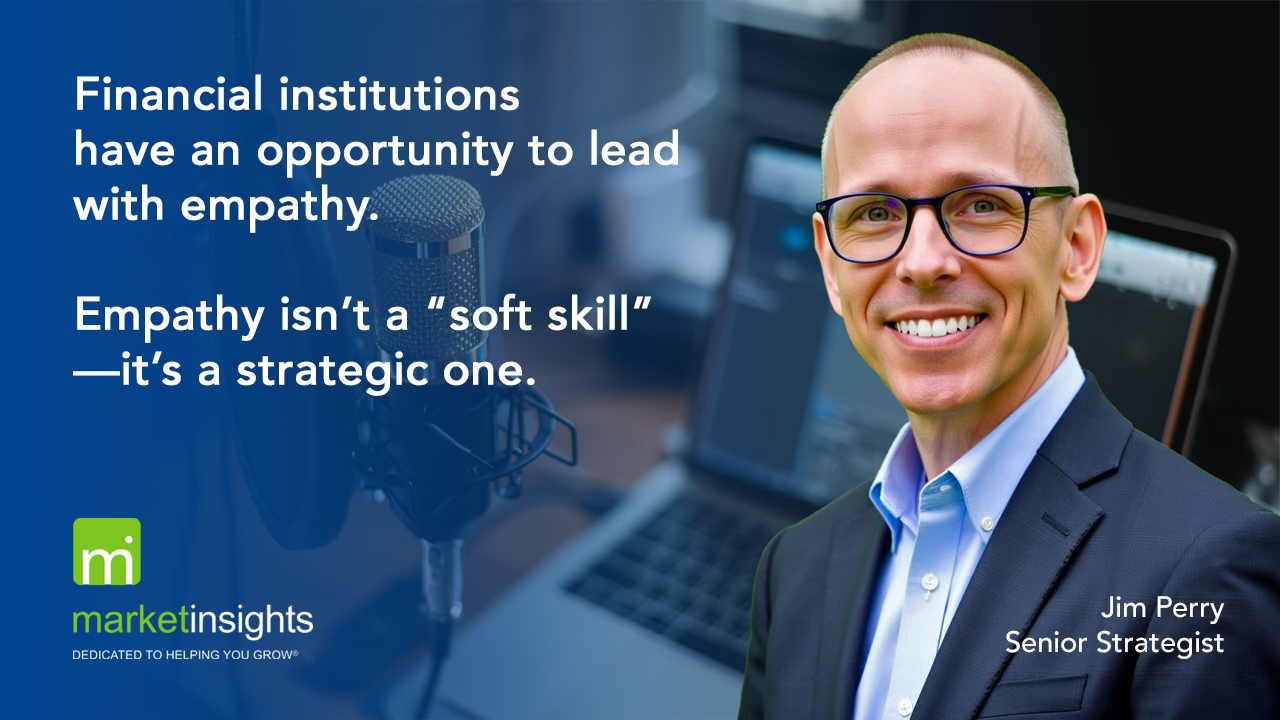
Financial institutions have an opportunity to lead with empathy. To design services that acknowledge grief. To support employees who are navigating loss. To be human in a moment when humanity will matter most.
This is also why we need more women in leadership. Empathy isn’t a “soft skill”—it’s a strategic one. And countless studies have shown that women, especially in senior roles, tend to lead with greater emotional intelligence. As we enter a future shaped by both economic shifts and profound human loss, institutions will need leaders who understand both.
Because the real legacy of this generation won’t just be in the dollars they pass on—but in the lives they leave behind to carry forward their values and shape the future of our society.